
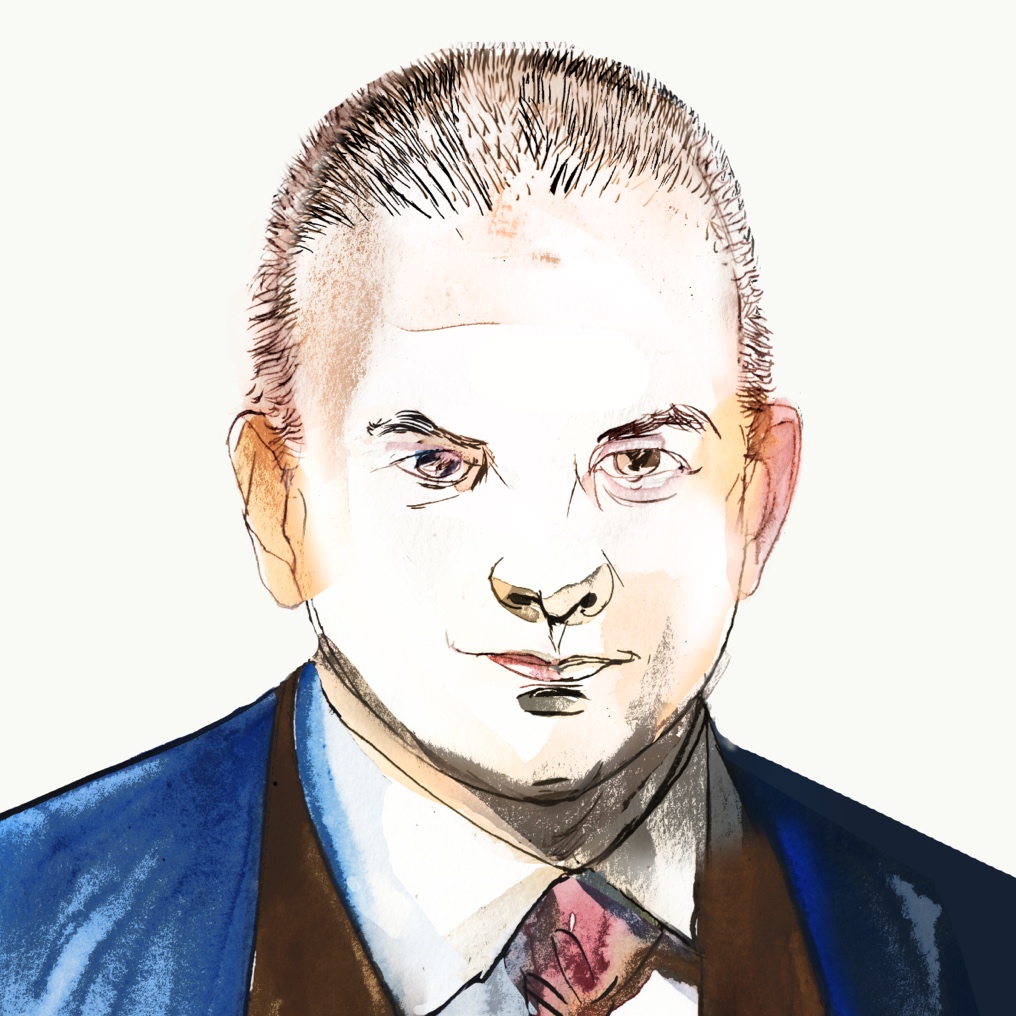
Hans Kung is planning to take his life. Or so he said in an
interview last week in the British Catholic weekly,
The
Tablet. Kung is suffering from Parkinson’s disease, macular
degeneration, and polyarthritis in his hands. Determined not to go gentle into
that good night, he has apparently decided that he will at some point travel to
Switzerland in order to be assisted in committing suicide. His reasoning is
threefold: he does not wish to live when there is no quality of life; his life
is a gift from God and he intends to give it back to God; and death, like
birth, is “our own responsibility.”
It is perhaps no surprise that someone who has spent a lifetime
opposing the teaching of his own church on so many different issues (to the
complete confusion of Protestants such as myself, I hasten to add) should
choose to end his life in breaking one last church taboo. It is surprising,
though, that his reasoning seems so weak. The analogy between birth and death
seems entirely inappropriate to the case Kung is trying to make. His birth,
after all, was no more his responsibility than my birth was mine. That is not just
basic Christian teaching; it is a really rather obvious fact of life.
It would appear, therefore, that his own analogy should mean that his
death is not his responsibility either, that there are much wider issues
at play. And the language of responsibility and gift seems rather plastic as
well: if life is a gift, if it comes to me from another, then my responsibility
is not simply to myself, as Kung seems to assume. Indeed, to talk of having
responsibility simply to myself is specious anyway. Such is really no
responsibility at all, merely egoism scantily clad in the rhetoric of a hollow
morality. Responsible only to myself, I am simply going to do exactly what
suits me at any given point in time. Kung the radical libertarian: Who would
have thought it would come to this?
Still,
Kung does indicate that he might drink the necessary ingredient, rather than
inject it. “I can do it like Socrates” was his precise comment, as recorded in The
Tablet. One hopes that that is merely intended as a reference to
the method of his departure, not his perception of its (and his) historic
significance. Readers of his autobiography (only two volumes in English so far,
and those only just reaching the 1980s in over 1,000 pages) have good cause to
fear that it might well be the latter.

YOU MIGHT ALSO LIKE
The Dreadful Christ of Pär Lagerkvist
It’s dangerous to meet a god,” says the disgraced Pythia in Pär Lagerkvist’s The Sibyl. Her observation…
The Possibility of Possibility
"Might could” is a Southern expression meaning “maybe I could” or “I might be able to,” conveying…
The False Promise of No Contact
Around the time nineteen-year-old Alice began cutting ties with her family, she announced on social media that…
