
Archive
More than thirty-five years of First Things articles at your fingertips
Articles
Leave Them Kids Alone
Bad Therapy: Why the Kids Aren’t Growing Up by abigail shrier sentinel, 320 pages, $30 Is there such a thing as good therapy? Not for kids, argues Abigail Shrier....
By Our Wounds We Are Healed
The Body Keeps the Score: Brain, Mind, and Body in the Healing of Traumaby bessel van der kolkpenguin, 464 pages, $19 Before #MeToo, before Black Lives Matter, Bessel van der...
My Pope
It often seems to me that conservative-tending millennial Catholics are converts, as a rule—a rule to which I am the lone exception. Of course I exaggerate. But convert-capture is...
Justice for Pell
I expected George Cardinal Pell to be convicted in 2018 on charges that he had committed child sexual abuse, and I expected his appeal to fail before the Victorian...
America’s Fat Knight
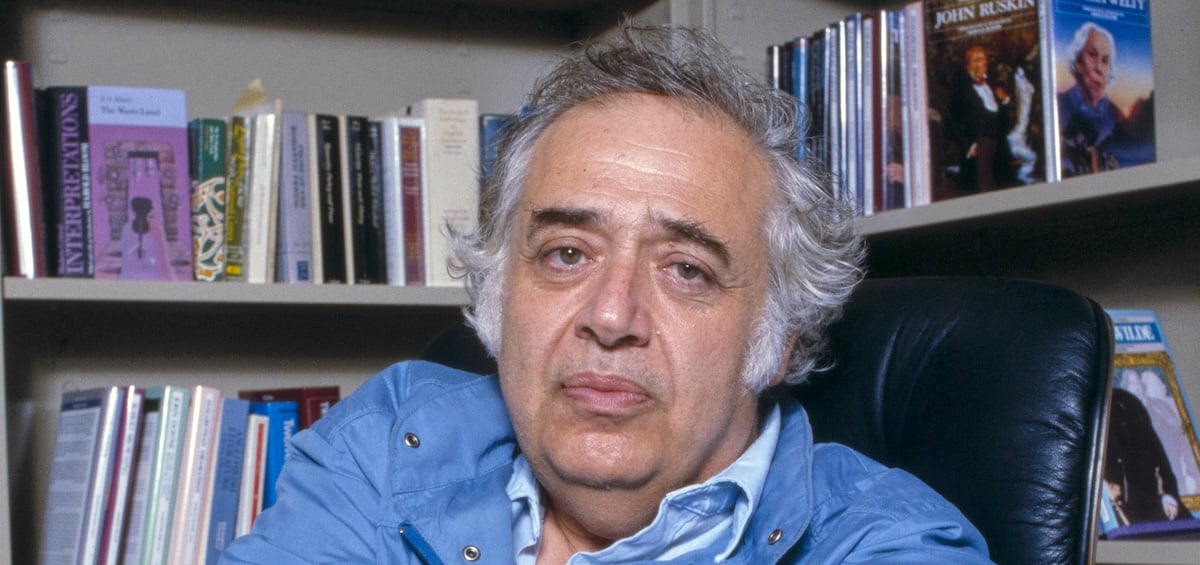
Harold Bloom, who died in October at age eighty-nine, was The Last Great American Literary Critic. The Sterling Professor of Humanities at Yale, he wrote best sellers, appeared on...
A Paper Church
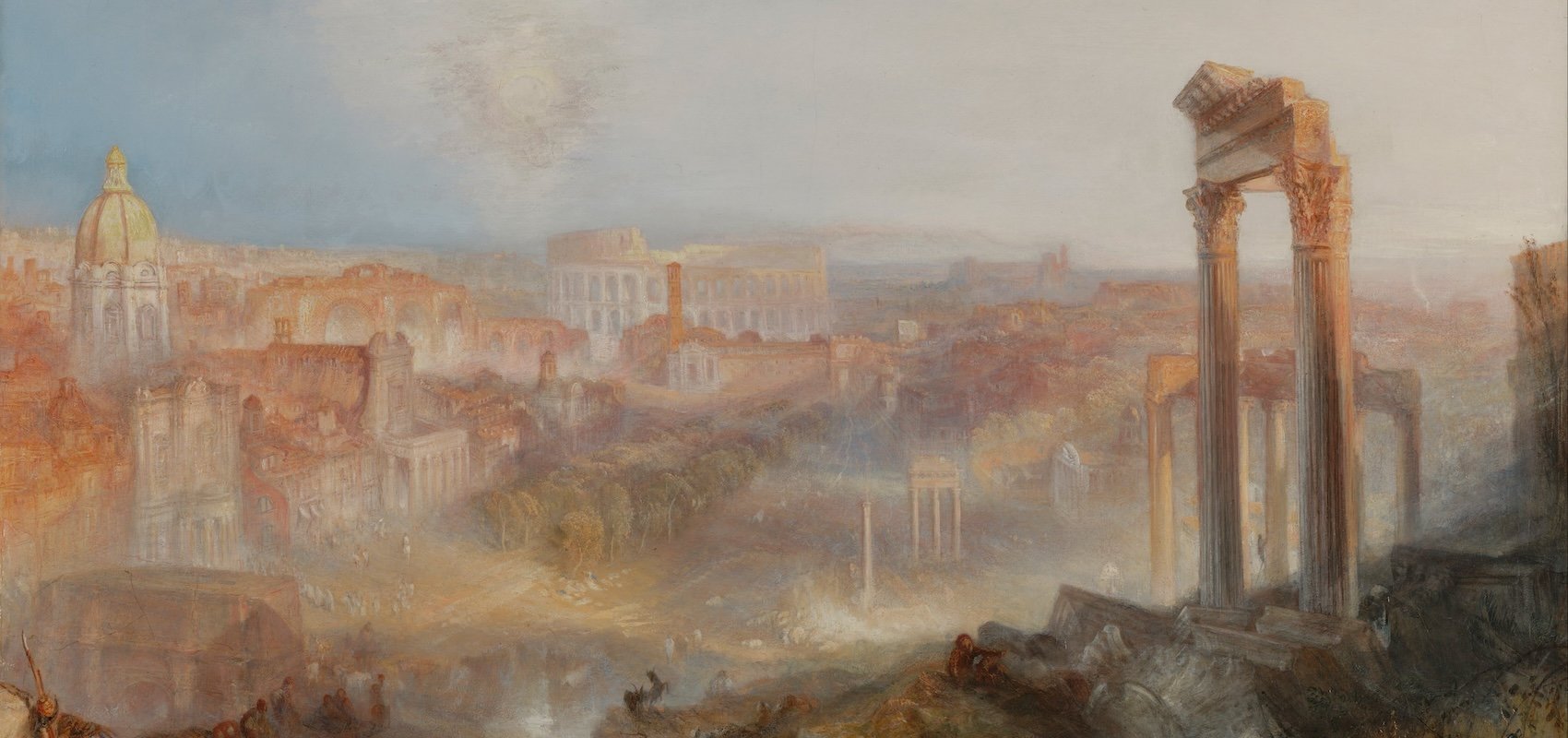
John Henry Newman joined the Catholic Church on October 9, 1845, after concluding that the via media of Anglo-Catholicism, which he had sought for years to vindicate, existed only...
Spirituality of the Suburbs
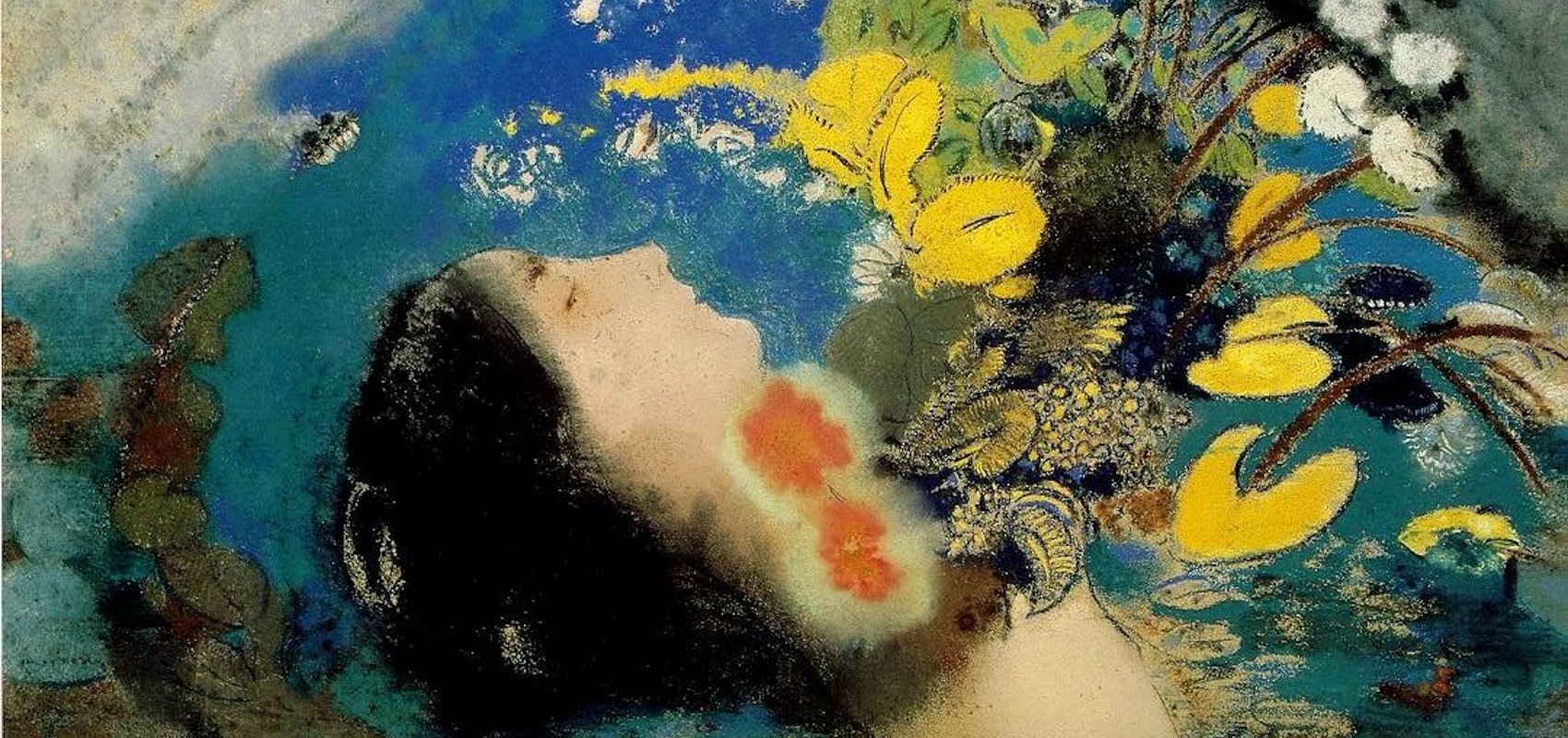
Obituaries for Toni Morrison, who died on August 5, remember her as a Nobel Prize–winning novelist, a black woman novelist, and the last great American novelist—never a Catholic novelist....
Reasonable Doubts About Pell’s Conviction
Catholics and non-Catholics around the world are justly outraged by the crimes and coverups of the Church’s hierarchy. But our concern for justice should also lead us to protest...
Love, and Be Silent
Regretting Motherhood: A Studyby orna donathnorth atlantic, 272 pages, $15.95 In March, a self-help author tweeted that whereas he once intended to have many children, now, after putting in...
A Conversation Between Two Converts
Below is an excerpt from the newly published book of interviews with Catholic converts, Mind, Heart, and Soul: Intellectuals and the Path to Rome. Julia: First, some background. What...
Punching Above Our Weight
In my two years working at First Things, it has come to my attention that many readers and friends of this magazine hold an imprecise notion of our resources,...
Our Top Articles of 2017
As the year draws to a close, here’s a look back at our most popular articles. Our rankings are based on page views, and broken down between print articles...
Il caso contro il Cardinal Pell
( English Version | Traduzione Italiana ) Cardinal:The Rise and Fall of George Pellby louise milliganmelbourne, 277 pages, $11.21 La scorsa settimana il Cardinale George Pell è stato accusato con molteplici...
The Case Against Cardinal Pell
( English Version | Traduzione Italiana ) Cardinal:The Rise and Fall of George Pellby louise milliganmelbourne, 277 pages, $11.21 George Cardinal Pell was charged last week with multiple counts of sexual...
“Absurd Violence” or Martyrdom?
In the week since Fr. Jacques Hamel was murdered, much has been written concerning how we should understand and speak about his death. Herewith, a rundown of what seem...
